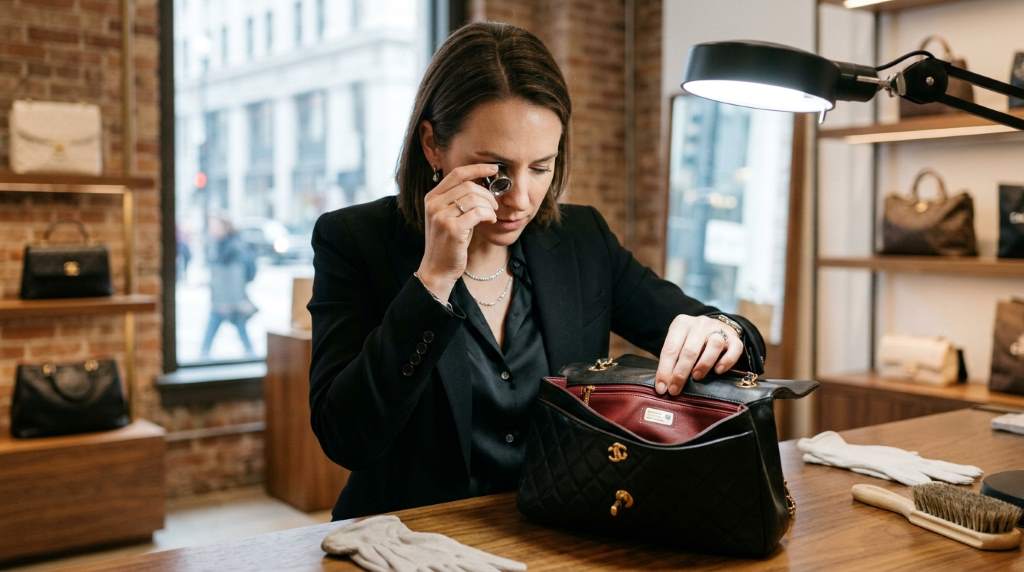
Luxury handbag sales continue to rise across the United States, and recent retail reports show that the resale market alone may cross $70 billion within a few years. Because of that growth, boutique owners in Chicago, IL now inspect every detail before placing premium bags on shelves. Many retailers also rely on tools like michael kors bag model number lookup systems to confirm authenticity and production details. Customers have become smarter, and they often research products before buying. As a result, boutique owners must protect their reputation by checking hardware quality, serial tags, and inner labels carefully.
The Growing Demand for Premium Bags in Chicago
Chicago has a strong luxury fashion culture that attracts both tourists and local shoppers throughout the year. Many buyers look for exclusive handbags that combine status, quality, and long-term value. Because winters in Chicago bring snow, salt, and moisture, customers also expect durable materials and strong metal hardware. Boutique owners therefore inspect every bag to ensure it can handle changing weather conditions. This careful process helps stores maintain customer trust and reduce expensive product returns.
Fashion-conscious shoppers in the city also follow modern accessory trends very closely. Many boutique owners compare handbag styling trends with articles like budget-friendly crossbody bag styling ideas to understand current buyer preferences. As a result, stores pay close attention to finishing details that improve both style and functionality. Even small scratches on hardware can reduce a bag’s perceived value significantly. Therefore, inspections become an essential part of inventory management.
Why Hardware Inspection Matters So Much
Premium handbags usually contain metal hardware such as zippers, buckles, clasps, chains, and logo plates. These components often reveal whether a bag is authentic or poorly manufactured. Boutique owners in Chicago examine metal finishes under proper lighting to detect discoloration or uneven polishing. Genuine luxury brands normally use high-quality metal that feels heavy and smooth. Counterfeit products often fail this basic quality check.
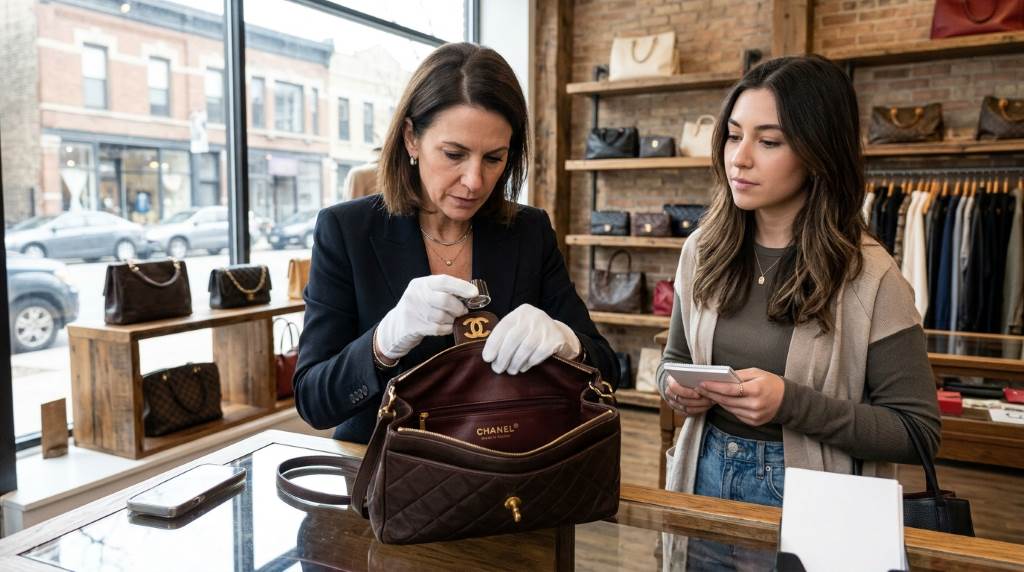
Cold Chicago temperatures can also affect hardware durability during winter months. Cheap metal may crack, tarnish, or weaken after repeated exposure to moisture and road salt. Therefore, boutique owners test zipper movement and clasp strength before displaying products for sale. They understand that customers expect premium bags to survive daily commuting conditions. This practical inspection protects both the customer experience and the store’s credibility.
Common Hardware Details Boutique Owners Check
- Weight and feel of metal parts
- Consistency of engraved brand logos
- Smooth zipper movement without sticking
- Matching hardware color across the bag
- Signs of rust or surface damage
- Strength of chains and connectors
The Importance of Inner Labels and Serial Tags
Inner labels provide valuable information about manufacturing standards and product authenticity. Boutique owners carefully inspect stitching quality, font spacing, and material texture on every interior tag. Authentic luxury brands maintain strict consistency across all production batches. Even slight spelling mistakes or uneven stitching may signal a counterfeit product. Therefore, inner labels often become the first checkpoint during inspections.
Many retailers also study organization and protection methods used in other premium carrying products. For example, some stores review ideas similar to 14-way divider golf bags because structured interiors influence customer expectations about premium storage design. As a result, boutique owners examine lining quality and interior compartments closely. They want to ensure that luxury bags deliver both elegance and functionality. This detailed review process helps stores identify poorly assembled items quickly.
How Chicago Weather Influences Inspection Standards
Chicago experiences harsh winters, humid summers, and unpredictable seasonal shifts throughout the year. Because of these conditions, boutique owners pay extra attention to material durability and hardware resistance. Leather bags exposed to snow or humidity may develop cracks if treated poorly during production. Therefore, stores inspect stitching tightness and protective coatings very carefully. This climate-focused evaluation reduces customer complaints later.
Windy conditions in downtown Chicago also increase daily wear on handbags used during commuting. Metal chains and shoulder attachments experience more stress when customers travel frequently on public transportation. Boutique owners therefore test connection points and strap hardware before approving products for sale. They understand that city shoppers need bags that combine luxury with long-lasting performance. This practical approach improves customer satisfaction significantly.
The Rise of Counterfeit Luxury Bags
The counterfeit handbag market has become increasingly sophisticated over the last decade. Fake manufacturers now copy logos, packaging, and hardware details with surprising accuracy. Because of this challenge, boutique owners in Chicago invest more time in detailed inspections than ever before. They often compare hardware engravings with verified brand standards before accepting inventory. This process helps protect both businesses and consumers from financial loss.
Social media has also increased awareness about counterfeit products among shoppers. Customers frequently share close-up photos and reviews online before making purchases. Therefore, even one fake product can damage a boutique’s reputation quickly. Owners understand that authenticity checks are now essential for survival in the luxury retail market. Consistent inspections help maintain long-term customer confidence.
Signs That May Indicate a Counterfeit Bag
- Uneven or loose stitching inside the bag
- Misspelled brand names on labels
- Lightweight or hollow-feeling hardware
- Cheap interior lining materials
- Poorly aligned logo plates
- Incorrect serial number formatting
Why Customers Notice Hardware Quality Immediately
Many luxury shoppers judge handbag quality within seconds of touching the product. Hardware usually creates the first impression because customers interact with zippers and clasps immediately. Heavy, polished metal gives a sense of craftsmanship and reliability. In contrast, weak hardware can make even expensive bags feel cheap. Therefore, boutique owners inspect tactile details very carefully.
Chicago customers also tend to value practicality alongside luxury design. Busy professionals often carry premium bags daily while traveling between offices, restaurants, and public transit systems. Because of this lifestyle, durable hardware becomes a major selling point. Boutique owners know that functional quality encourages repeat purchases and positive reviews. Strong inspections therefore support long-term business growth.
The Hidden Financial Benefits of Detailed Inspections
Careful inspections may seem time-consuming, but they often save boutique owners large amounts of money later. Damaged hardware or incorrect labels can lead to expensive returns and customer disputes. Therefore, stores prefer to identify problems before products reach display shelves. This preventive approach reduces operational risks and improves inventory quality. Many successful boutiques treat inspections as a form of financial protection.
Luxury customers also expect premium service when buying expensive handbags. If buyers notice quality issues after purchase, they may lose trust in the entire business. Negative online reviews can quickly affect future sales and local reputation. Therefore, boutique owners see inspections as part of customer relationship management. This strategy strengthens brand loyalty over time.
An Uncommon but Important Inspection Practice
Some Chicago boutique owners perform a temperature response test on handbag hardware before approving inventory. They briefly expose metal components to cold environments that mimic winter outdoor conditions. This uncommon practice helps identify weak coatings or poor-quality metal finishes early. Hardware that changes color or feels brittle under cold conditions may fail during customer use. Few blogs discuss this testing method, yet many experienced retailers consider it extremely valuable.
Another overlooked practice involves checking how interior labels react to friction from winter gloves and rough fabrics. Chicago shoppers often wear heavy coats and layered clothing during colder months. Repeated contact inside bags may damage weak labels or cheap lining materials quickly. Therefore, boutique owners sometimes conduct gentle abrasion tests during inspections. This extra step helps ensure long-term product durability.
How Employee Training Supports Better Inspections
Successful boutiques usually train employees to identify quality issues consistently. Staff members learn how authentic hardware should feel, sound, and appear under lighting. They also study stitching patterns and serial number placement for different luxury brands. This training improves inspection accuracy across the entire store team. As a result, businesses reduce the chance of counterfeit products reaching customers.
Some boutique owners even maintain inspection checklists for every premium handbag shipment. These lists help employees follow the same review process for all products. Standardized inspections create better consistency and accountability within the business. Additionally, organized procedures improve efficiency during busy shopping seasons. This structured system supports stronger retail operations overall.
Why Authenticity Builds Long-Term Customer Loyalty
Luxury shoppers usually value trust just as much as product appearance. When customers believe a boutique sells authentic and carefully inspected items, they often return for future purchases. This trust becomes especially important in competitive fashion markets like Chicago. Boutique owners therefore focus heavily on transparency and quality control. Reliable inspections help create stronger customer relationships over time.
Many shoppers also recommend trusted boutiques to friends, family members, and coworkers. Word-of-mouth marketing remains extremely powerful in luxury retail environments. Therefore, one authentic and high-quality purchase may lead to several future sales. Boutique owners understand that detailed inspections contribute directly to long-term business success. This reputation-based growth strategy benefits both stores and customers.
Conclusion
Boutique owners in Chicago, IL inspect hardware and inner labels on premium bags because customers expect authenticity, durability, and consistent quality. Harsh weather conditions, rising counterfeit risks, and growing luxury competition have made detailed inspections more important than ever. Many retailers also stay informed about broader fashion presentation trends through articles like modern sweater vest styling guides because customer expectations now connect style with craftsmanship. Careful inspection practices protect store reputations while improving customer satisfaction. If you plan to buy or sell premium handbags, always pay attention to hardware quality and inner labels before making a final decision.
FAQs
Why do boutique owners inspect handbag hardware?
They inspect hardware to confirm authenticity, durability, and overall product quality.
Can inner labels reveal counterfeit bags?
Yes, incorrect stitching, fonts, or serial formats often indicate fake products.
Does Chicago weather affect premium handbag quality?
Yes, snow, humidity, and cold temperatures can damage weak materials and hardware.
Why is heavy hardware important on luxury bags?
Heavy hardware usually signals stronger materials and better manufacturing standards.
Do inspections help boutique businesses financially?
Yes, inspections reduce returns, protect reputation, and improve customer trust.