
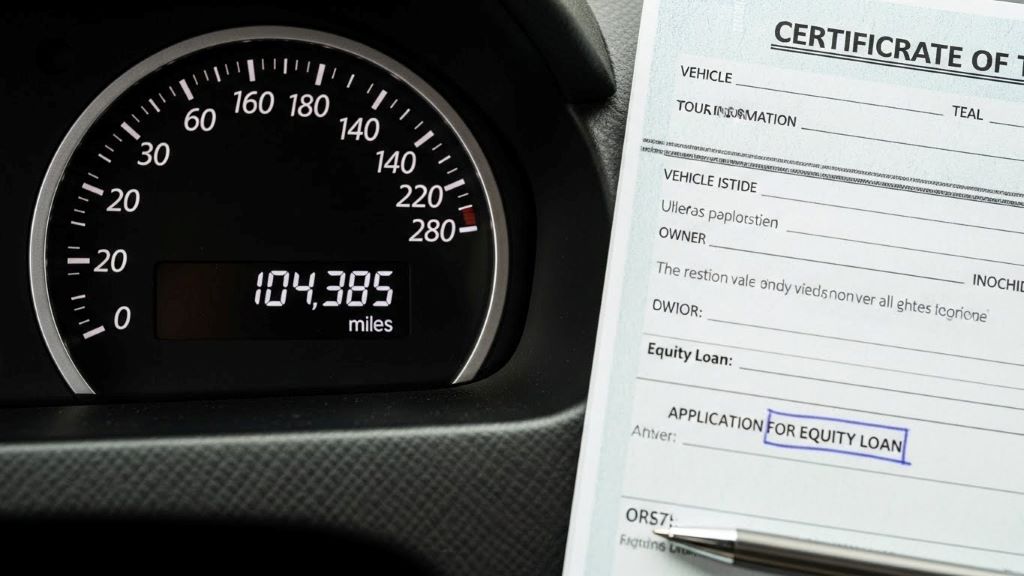
Getting a loan against your vehicle’s value can provide quick cash when you need it most. However, many car owners with high mileage vehicles wonder if they still qualify. The good news is that vehicle equity loans for high mileage cars are possible, though they come with specific considerations.
Understanding Vehicle Equity Loans
A vehicle equity loan allows you to borrow money using your car as collateral. The lender assesses your vehicle’s current market value and offers a loan based on that equity. Typically, you can borrow between 25% and 50% of your car’s worth, depending on the lender’s policies.
These loans work similarly to home equity loans. You retain ownership and continue driving your vehicle while making monthly payments. If you default, however, the lender can repossess your car to recover their losses.
How High Mileage Affects Your Loan Options
Mileage plays a significant role in determining your vehicle’s value. Cars with higher odometer readings generally depreciate faster than low mileage counterparts. Therefore, lenders may offer smaller loan amounts for high mileage vehicles.
Most lenders consider a car “high mileage” once it exceeds 100,000 miles. Some financial institutions set their threshold at 80,000 or 90,000 miles instead. Additionally, the vehicle’s age matters just as much as its mileage when calculating loan eligibility.
Despite these challenges, many lenders still work with high mileage vehicle owners. They understand that well-maintained cars can remain reliable even with substantial miles on the odometer.
Factors Lenders Consider Beyond Mileage
While mileage is important, lenders evaluate several other factors when approving vehicle equity loans. Your car’s overall condition significantly impacts the loan amount you can receive.
Lenders examine the vehicle’s maintenance history, mechanical condition, and appearance. A high mileage car with documented regular service may qualify for better loan terms than a lower mileage vehicle with poor maintenance records.
Furthermore, your credit score and income level influence approval chances. Lenders want assurance that you can repay the loan regardless of your vehicle’s mileage. A stable income and good credit history can offset concerns about high odometer readings.
The make and model of your vehicle also matter considerably. Certain brands maintain their value better over time. Toyota, Honda, and Lexus vehicles, for example, often retain higher equity even with elevated mileage.
Typical Loan Amounts for High Mileage Vehicles
Loan amounts for high mileage cars vary widely based on several factors. Generally, you can expect to borrow less than you would with a newer, low mileage vehicle. According to Consumer Financial Protection Bureau, auto title loans typically range from 25% to 50% of the vehicle’s value.
Most lenders cap loans for high mileage vehicles at $10,000 to $15,000, though some may go higher. The exact amount depends on your car’s current market value, condition, and the lender’s specific policies.
Some lenders specialize in high mileage vehicle loans and may offer more competitive rates. Shopping around helps you find the best terms for your situation.
Advantages of Vehicle Equity Loans
These loans offer several benefits, especially for those with high mileage cars who need quick financing. The application process is typically faster than traditional bank loans, with many lenders providing same-day or next-day funding.
Credit requirements are often more lenient than conventional loans. Lenders focus primarily on your vehicle’s value rather than your credit score. This makes vehicle equity loans accessible to people with poor or limited credit history.
Additionally, you continue using your car throughout the loan period. Unlike selling your vehicle for cash, you maintain transportation while accessing funds. This flexibility proves valuable for those who depend on their cars for work or daily activities.

Potential Drawbacks to Consider
Vehicle equity loans carry significant risks that borrowers must understand. Interest rates are typically higher than traditional auto loans or personal loans. Annual percentage rates can range from 25% to over 100%, depending on the lender and your circumstances.
The most serious risk involves losing your vehicle. If you cannot make payments, the lender can repossess your car. This leaves you without transportation and still potentially owing money if the vehicle’s sale price does not cover the full loan balance.
Moreover, these loans can create a debt cycle. Short repayment terms and high interest rates sometimes force borrowers to refinance repeatedly. This pattern increases the total amount paid over time and extends the debt period indefinitely.
Alternatives to Vehicle Equity Loans
Before committing to a vehicle equity loan, consider other financing options. Personal loans from credit unions or online lenders may offer better interest rates and terms, even for borrowers with fair credit.
Credit cards, while carrying high interest, provide more flexibility than secured loans. You will not risk losing your vehicle if you struggle with payments. Balance transfer cards with promotional zero-interest periods can provide temporary relief.
Furthermore, borrowing from family or friends might eliminate interest charges altogether. Creating a formal repayment agreement protects both parties and maintains clear expectations.
Community assistance programs and nonprofit organizations sometimes provide emergency financial help. These resources can address immediate needs without incurring debt or risking valuable assets.
How to Improve Your Chances of Approval
Several strategies can increase your likelihood of securing a vehicle equity loan for your high mileage car. Start by gathering all maintenance records and service documentation. Demonstrating consistent care shows lenders your vehicle remains reliable despite its age.
Consider getting a professional vehicle inspection before applying. A mechanic’s report confirming good mechanical condition strengthens your application. Some lenders may require this inspection anyway, so being proactive saves time.
Pay down existing debt before applying if possible. Lower debt-to-income ratios make you appear more financially stable. Similarly, correcting any errors on your credit report can improve your overall financial profile.
Finally, compare multiple lenders before choosing one. According to Edmunds, shopping around for auto financing can save borrowers thousands of dollars over the loan term. Different companies have varying policies regarding high mileage vehicles, so research pays off.
Understanding the Application Process
Applying for a vehicle equity loan typically requires minimal documentation. You will need to provide proof of ownership, usually your car’s title. The title must be in your name and free of other liens.
Lenders also require proof of income and residency. Pay stubs, bank statements, or tax returns demonstrate your ability to repay. A valid driver’s license and proof of insurance complete the standard documentation package.
Most lenders inspect the vehicle in person before finalizing the loan. They verify its condition, confirm the vehicle identification number, and assess its current market value. This process usually takes less than an hour.
Once approved, you may receive funds immediately or within one business day. The lender places a lien on your title, which remains until you fully repay the loan.
Making the Right Decision
Deciding whether to pursue a vehicle equity loan for your high mileage car requires careful consideration. These loans provide quick access to cash but come with substantial costs and risks.
Evaluate your financial situation honestly. Can you afford the monthly payments along with your other obligations? What happens if you lose your vehicle? These questions help clarify whether this financing option suits your needs.
Remember that vehicle equity loans should serve as short-term solutions rather than long-term financial strategies. Using them for emergency expenses makes more sense than funding discretionary purchases.
Conclusion
Vehicle equity loans for high mileage cars offer a viable option for accessing quick cash using your vehicle as collateral. While higher mileage typically reduces loan amounts and may result in less favorable terms, many lenders still work with owners of well-maintained older vehicles. Success depends on multiple factors including your car’s condition, maintenance history, credit score, and the lender you choose. However, these loans carry significant risks, particularly high interest rates and potential vehicle repossession. Before committing, carefully evaluate alternatives and ensure you can manage the repayment terms. When used responsibly for genuine emergencies, vehicle equity loans can provide needed financial relief without forcing you to sell your car.
Frequently Asked Questions
What is the maximum mileage a car can have for an equity loan?
Most lenders work with vehicles up to 150,000 miles, though some may go higher depending on the car’s condition, make, and model. Luxury brands and vehicles known for longevity may qualify even with higher mileage.
How much can I borrow against my high mileage vehicle?
Typically, lenders offer 25% to 50% of your vehicle’s current market value. High mileage cars generally receive lower valuations, so expect loan amounts ranging from a few thousand dollars to around $15,000 for most vehicles.
Will a vehicle equity loan affect my credit score?
Yes, potentially. While some lenders do not report to credit bureaus, missed payments or defaulting can negatively impact your credit. Conversely, timely payments may help improve your credit history if the lender reports.
Can I get a vehicle equity loan if I still owe money on my car?
It depends on your equity position. If your car’s value exceeds what you owe, some lenders may work with you. However, many lenders only provide loans on vehicles with clear titles and no existing liens.
How long do I have to repay a vehicle equity loan?
Repayment terms vary widely, typically ranging from 12 to 36 months. Some title loan companies offer shorter terms of 30 days to 6 months, while others provide longer repayment schedules similar to traditional auto loans.
Related Topics:
The Secret Weapon: How Car Junk Yard Save Money on Repairs
The Ceramic Shield: Your Guide to Maintaining a Gleaming, Protected Car


