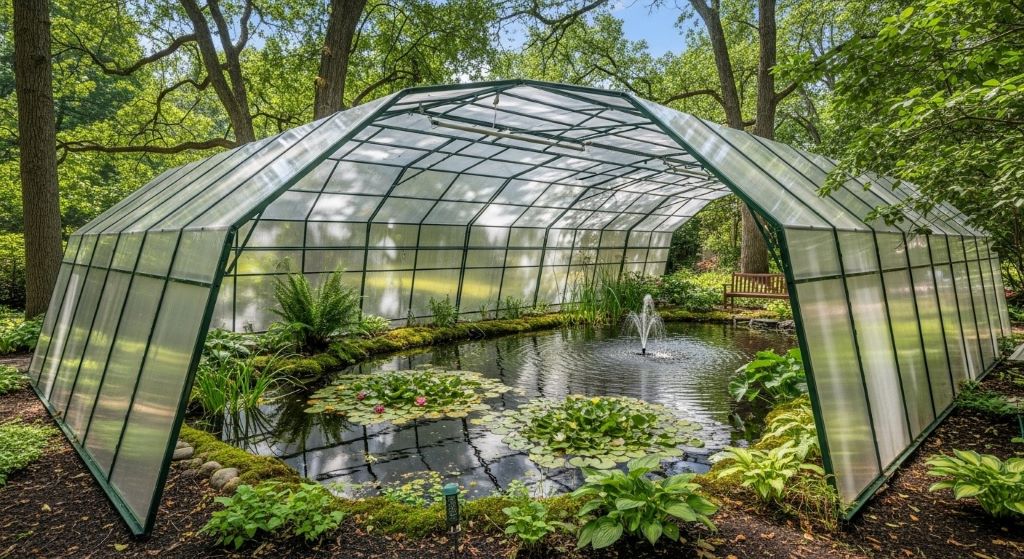
Creating a greenhouse cover for your garden pond in a shaded area presents unique challenges. However, with proper planning and execution, you can protect your pond while maintaining a healthy aquatic environment. This guide will walk you through everything you need to know about installing a greenhouse structure over your shaded garden pond.
Understanding the Benefits of Greenhouse Pond Covers
A greenhouse cover offers multiple advantages for pond owners. First, it protects fish and plants from predators like herons and raccoons. Additionally, it helps regulate water temperature throughout changing seasons. The cover also prevents debris like leaves and twigs from falling into the water. Furthermore, it extends your growing season for aquatic plants.
In shaded gardens, these benefits become even more valuable. The greenhouse structure can help maximize limited sunlight exposure. Therefore, your pond ecosystem remains healthier year-round.
Assessing Your Shaded Garden Conditions
Before building your greenhouse cover, evaluate your garden’s shade levels. Different areas receive varying amounts of sunlight throughout the day. Consequently, understanding these patterns helps you position your structure effectively.
Measure how many hours of direct sunlight your pond receives daily. Most aquatic plants need at least four to six hours of light. However, some shade-tolerant varieties can thrive with less. Track the sun’s movement across your garden for several days. This observation period provides crucial information for planning.
Consider the shade sources in your garden. Trees, fences, and buildings all create different shade patterns. Moreover, deciduous trees provide seasonal shade variations. Your greenhouse design should account for these changing conditions.
Choosing the Right Greenhouse Design
Several greenhouse styles work well for pond covers. The most common options include hoop houses, A-frame structures, and lean-to designs. Each offers distinct advantages depending on your space and budget.
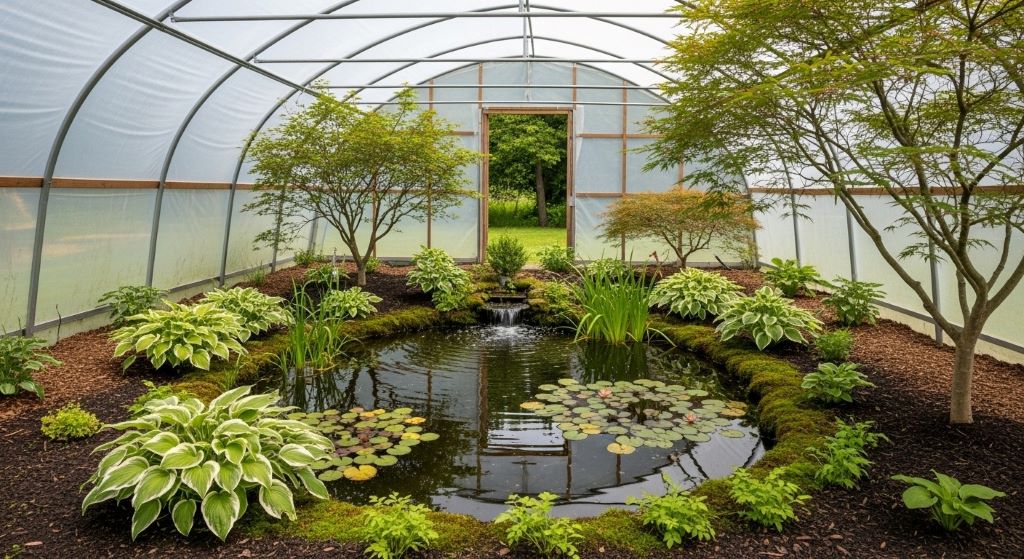
Hoop houses provide excellent versatility and affordability. These curved structures use PVC pipes or metal hoops covered with plastic sheeting. They work particularly well for smaller ponds. Additionally, they’re easy to install and modify as needed.
A-frame greenhouses offer superior stability and durability. The triangular design sheds snow and rain effectively. Therefore, this style suits regions with heavy precipitation. The steep sides also provide good ventilation options.
Lean-to structures work perfectly against existing walls or fences. This design saves materials and reduces construction complexity. However, ensure the supporting structure can handle the additional weight.
Selecting Materials for Your Pond Greenhouse
Material selection impacts both functionality and longevity. For framing, choose between wood, PVC, or metal. Wood offers natural aesthetics and moderate durability. Nevertheless, it requires regular maintenance in moist environments.
PVC pipes provide lightweight, rust-proof construction. They’re particularly suitable for temporary or seasonal covers. Metal frames offer maximum strength and lifespan. However, they cost more upfront.
For covering materials, several options exist. Polycarbonate panels provide excellent insulation and light transmission. They’re more expensive but last longer than alternatives. Polyethylene film costs less and allows good light penetration. Additionally, it’s easy to replace when damaged.
According to experts at The Old Farmer’s Almanac, proper material selection significantly impacts pond health and plant growth throughout the year.
Glass panels offer traditional greenhouse aesthetics and superior clarity. However, they’re fragile and expensive. For shaded gardens, prioritize materials that maximize light transmission while providing adequate protection.
Building Your Greenhouse Pond Cover
Start by measuring your pond dimensions accurately. Add extra space around the perimeter for maintenance access. Most experts recommend at least two feet of clearance on all sides.
Create a detailed plan including all measurements and materials needed. This preparation prevents costly mistakes during construction. Moreover, it helps you estimate your total project budget accurately.
Begin with a solid foundation. For permanent structures, consider concrete footings or ground anchors. Temporary covers can use stakes or weighted bases. Ensure the foundation provides adequate stability against wind and weather.
Construct the frame according to your chosen design. Work systematically from one end to the other. Use level tools to maintain proper alignment throughout assembly. Additionally, double-check all connections for security.
Install the covering material carefully. Start from the bottom and work upward. This method prevents water from seeping into seams. Secure the material firmly but avoid overtightening, which can cause tears.
Maximizing Light in Shaded Greenhouse Ponds
Light management becomes critical in shaded gardens. Several strategies can help optimize available sunlight. First, position your greenhouse where it receives maximum morning light. Morning sun proves especially beneficial for plant photosynthesis.
Use reflective materials inside the greenhouse. White or silver surfaces bounce light throughout the space. Therefore, your pond receives indirect illumination from multiple angles. Paint interior framework surfaces white for maximum reflection.
Consider installing supplemental lighting for very shaded areas. LED grow lights provide energy-efficient illumination. They can supplement natural light during darker months. However, use timers to prevent excessive light exposure, which stresses fish.
Keep covering materials clean for optimal light transmission. Dirt, algae, and debris block precious sunlight. Regular cleaning maintains maximum transparency. Plan for easy access when designing your structure.
Ventilation and Temperature Control
Proper airflow prevents overheating and maintains water quality. Install vents at both high and low points in your greenhouse. This arrangement creates natural air circulation. Hot air rises and exits through top vents while cool air enters below.
Automatic vent openers respond to temperature changes without manual intervention. These devices provide consistent climate control even when you’re away. Additionally, they prevent forgotten vents from causing temperature extremes.
In shaded gardens, overheating occurs less frequently than in sunny locations. Nevertheless, proper ventilation remains essential. Stagnant air promotes algae growth and reduces oxygen levels. Therefore, ensure adequate airflow year-round.
According to research featured in Fine Gardening, proper ventilation and light management are crucial factors for maintaining healthy aquatic ecosystems in shaded environments.
Maintaining Your Covered Pond System
Regular maintenance keeps your greenhouse pond functioning optimally. Inspect the structure monthly for damage or wear. Address small issues immediately before they become major problems. Check all seals, fasteners, and covering materials systematically.
Clean the covering material seasonally. Remove algae, dirt, and mineral deposits that accumulate over time. Use gentle cleaning solutions that won’t harm pond life. Rinse thoroughly after cleaning.
Monitor water quality closely inside covered ponds. Test pH, ammonia, and oxygen levels regularly. Covered ponds sometimes experience different chemical balances than open ponds. Consequently, testing helps you maintain ideal conditions.
Trim vegetation that grows near or around your greenhouse. Overhanging plants can damage covering materials. Moreover, they create additional shade that further limits light availability.
Seasonal Considerations for Shaded Pond Greenhouses
Winter brings unique challenges for covered ponds. Ensure your structure can handle snow loads in cold climates. Remove heavy snow accumulation promptly to prevent collapse. Additionally, maintain some ventilation even during cold months.
Spring requires thorough cleaning and inspection. Replace damaged materials before the growing season begins. Check that all vents and access points function properly. This preparation ensures optimal performance throughout warmer months.
Summer management focuses on preventing overheating. Increase ventilation during hot spells. Consider temporary shading for extremely sunny days. Balance light needs against temperature control requirements.
Fall preparation involves cleaning and repairs before winter arrives. Remove fallen leaves and debris. Inspect seals and weatherproofing. These tasks prevent winter damage and extend structure longevity.
Conclusion
Building a greenhouse cover for your garden pond in a shaded area requires careful planning and execution. Start by assessing your specific shade conditions and light availability. Choose appropriate designs and materials that maximize light transmission while providing adequate protection. Focus on proper ventilation, regular maintenance, and seasonal adjustments to keep your pond ecosystem thriving. With these strategies, your covered pond will remain healthy and beautiful throughout the year, regardless of shade challenges.
Frequently Asked Questions
What is the minimum sunlight needed for a covered pond in shade?
Most aquatic plants require four to six hours of direct or bright indirect sunlight daily. However, shade-tolerant species can survive with less. Consider supplemental lighting if your pond receives fewer than four hours of natural light.
How much does a greenhouse pond cover cost?
Costs vary widely based on size and materials. Simple PVC hoop houses start around $200 for small ponds. Permanent polycarbonate structures can cost $1,000 to $3,000 or more. Budget accordingly based on your specific needs and chosen design.
Can I build a greenhouse pond cover myself?
Yes, many greenhouse pond covers are suitable for DIY construction. Basic designs using PVC or wood framing require moderate skills. However, larger or more complex structures might benefit from professional assistance. Start with detailed plans and take your time during construction.
How do I prevent algae in a covered shaded pond?
Maintain proper water circulation and filtration systems. Ensure adequate but not excessive light exposure. Perform regular water changes and test water chemistry frequently. Additionally, introduce beneficial plants that compete with algae for nutrients.
Should I remove the greenhouse cover in summer?
This depends on your climate and structure design. In moderate climates with good ventilation, covers can remain year-round. However, in very hot regions, removing or opening covers during peak summer prevents overheating. Monitor temperatures and adjust accordingly.
Related Topics:
Bird feeders: benefits and how to make them at home
Gardening for Pollinators: Transform Your Backyard into a Bee-Friendly Oasis