
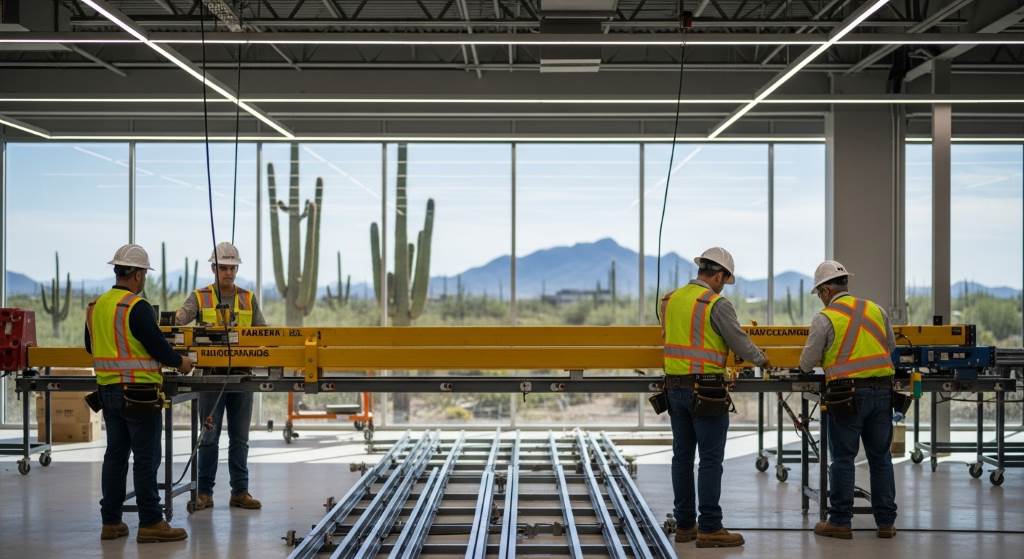
Phoenix, AZ technical worksites continue to improve worker safety through smarter planning, modern equipment, and stronger training systems. According to the U.S. Bureau of Labor Statistics, workplace injuries in technical and industrial sectors have gradually declined over recent years because companies now prioritize prevention over reaction. In addition, Arizona employers increasingly invest in occupational safety practices in engineering to reduce costly incidents and improve employee confidence. The desert climate of Phoenix also pushes companies to adopt heat-specific safety methods that many colder regions do not require. As a result, technical worksites across the city are creating safer and more productive environments.
Why Workplace Safety Has Become a Top Priority in Phoenix
Phoenix has experienced rapid growth in manufacturing, engineering, logistics, telecommunications, and renewable energy sectors over the last decade. Consequently, more companies now operate complex technical worksites with large teams and advanced machinery. Local employers understand that injury-related downtime can severely impact production schedules and labor costs. Therefore, many businesses have shifted toward proactive operational safety programs instead of relying on traditional reactive approaches.
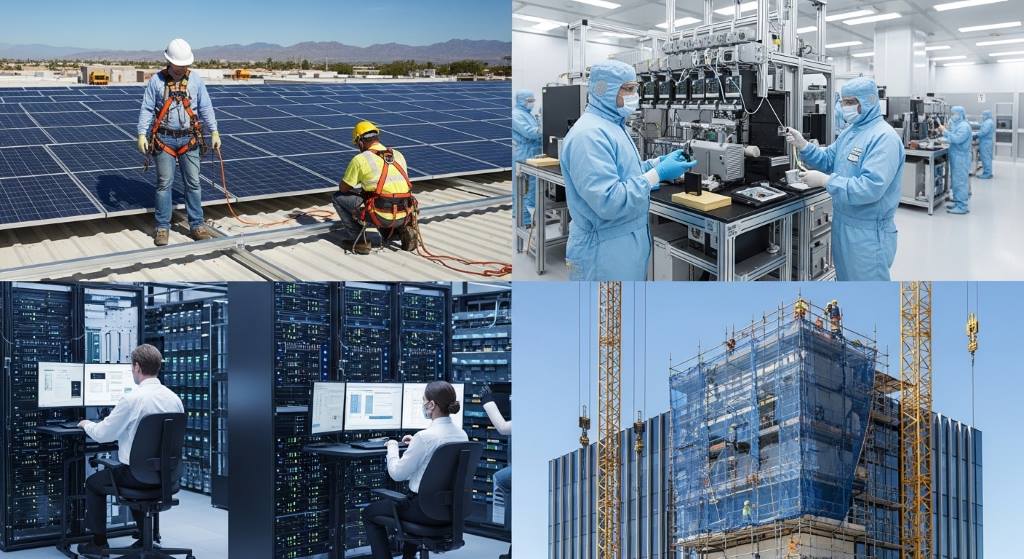
Arizona’s extreme heat also creates unique workplace risks for technicians, engineers, and field operators. During summer months, outdoor equipment surfaces can become dangerously hot within minutes. Because of this, companies now redesign schedules to reduce exposure during peak afternoon temperatures. Many worksites also include hydration stations, shaded recovery zones, and wearable temperature sensors to protect employees from heat-related illness.
Technology plays a major role in this transformation as well. Companies increasingly rely on predictive maintenance software and real-time monitoring systems to detect hazards before accidents occur. Some organizations even study network reliability and operational data through resources discussing network address shortage concerns because communication stability directly affects industrial safety systems. Stronger digital infrastructure allows workers to respond faster during emergencies. This combination of physical and digital protection creates safer technical environments across Phoenix.
Advanced Safety Training Is Changing Workplace Culture
Modern Phoenix worksites no longer treat safety training as a simple onboarding task. Instead, companies now provide continuous education programs throughout the year. Employees regularly attend workshops focused on equipment handling, emergency response, electrical hazards, and climate-related risks. Frequent practice sessions help workers develop automatic safety habits during stressful situations.
Many technical employers also use virtual reality simulations to improve training effectiveness. These systems allow workers to practice hazardous scenarios without facing real danger. For example, technicians can learn how to respond to equipment malfunctions, chemical leaks, or confined-space emergencies in a controlled digital environment. This hands-on learning approach increases retention and reduces panic during actual incidents.
Another uncommon but effective strategy involves peer-led safety mentoring programs. Experienced employees often guide new workers through daily operational risks and safe work procedures. Because these mentors understand the job firsthand, they can explain practical solutions more clearly than traditional manuals. As a result, many companies report stronger team accountability and fewer avoidable mistakes.
Key Benefits of Continuous Safety Training
- Improves worker confidence during complex tasks
- Reduces equipment misuse and operational errors
- Strengthens communication between departments
- Encourages faster emergency response actions
- Builds long-term workplace safety awareness
Smart Equipment and Automation Are Reducing Risks
Automation now plays a significant role in lowering operational injury cases throughout Phoenix technical facilities. Many businesses use robotic systems to handle repetitive lifting, heavy materials, and high-risk industrial tasks. Consequently, workers face fewer musculoskeletal injuries and strain-related conditions. Automated systems also maintain more consistent performance than manual processes.
Sensor technology has also become far more common across technical worksites. Machines now include built-in monitoring tools that detect overheating, pressure changes, or electrical faults before failures occur. These systems immediately alert maintenance teams when dangerous conditions appear. Therefore, companies can repair equipment early instead of waiting for catastrophic breakdowns.
Several Phoenix facilities additionally rely on wearable safety devices for employees working in high-risk environments. Smart helmets, biometric wristbands, and motion-tracking sensors help supervisors monitor worker fatigue and movement patterns. If an employee shows signs of exhaustion or enters a restricted area, managers receive instant alerts. This rapid communication helps prevent accidents before injuries occur.
Climate-Specific Safety Measures Make a Major Difference
Phoenix presents environmental challenges that many technical worksites in other states rarely encounter. Summer temperatures often exceed 110 degrees Fahrenheit, which increases the likelihood of dehydration, heat exhaustion, and reduced concentration. Consequently, employers now design operational schedules around weather forecasts and heat indexes. Many companies also rotate outdoor crews more frequently during extreme conditions.
Cooling technology has become another important investment for industrial and technical employers. Portable cooling units, ventilated uniforms, and temperature-controlled workstations now appear across many Phoenix facilities. In some cases, companies use smart environmental monitoring systems connected to secure networks inspired by discussions about decentralized networks enhance user privacy to improve data reliability and internal safety reporting. Better environmental tracking helps supervisors identify dangerous conditions quickly. This approach reduces climate-related operational risks significantly.
Hydration management programs also continue to evolve across Arizona worksites. Instead of waiting for workers to request water breaks, many companies now enforce scheduled hydration periods throughout the day. Some facilities even use digital reminders and hydration tracking systems to ensure employees remain physically prepared for demanding tasks. These preventative strategies improve both safety and productivity.
Common Heat Safety Practices in Phoenix Technical Worksites
- Early morning or evening work scheduling
- Mandatory hydration and recovery breaks
- Real-time weather and heat index monitoring
- Cooling vests and breathable protective clothing
- On-site medical response preparation
Data Analytics Helps Predict Operational Risks
Phoenix technical companies increasingly depend on data analytics to improve workplace safety outcomes. By studying injury trends, near misses, and equipment behavior, employers can identify patterns that humans may overlook. This predictive approach allows organizations to address hazards before incidents occur. Consequently, many worksites now experience lower accident rates and reduced insurance costs.
Artificial intelligence systems also help supervisors analyze worker movement and operational efficiency. Cameras and monitoring tools can identify unsafe lifting techniques, restricted-zone violations, or signs of worker fatigue. Instead of punishing employees, many companies use this information to improve training and workflow design. This supportive approach creates a more positive safety culture.
Interestingly, some technical employers now analyze communication delays during operational incidents. They discovered that slow information sharing often contributes to preventable injuries. Because of this finding, many worksites upgraded collaboration tools and remote communication systems. Discussions around graphics for online learning technologies have also influenced how companies train remote technical teams more efficiently.
Mental Fatigue Management Is Becoming More Important
One overlooked factor in workplace injuries involves mental exhaustion rather than physical hazards alone. Technical employees often manage detailed systems, high-pressure deadlines, and complex machinery for extended periods. Over time, mental fatigue can reduce concentration and increase operational mistakes. Therefore, Phoenix employers now recognize cognitive health as part of overall workplace safety.
Several companies have introduced shorter rotating shifts for high-focus technical positions. Others encourage structured micro-breaks throughout the workday to maintain mental alertness. Some organizations even redesign lighting and noise control systems to improve concentration levels. These adjustments may appear small, but they significantly reduce human error during sensitive operations.
An uncommon but growing trend involves “silent hazard reporting” systems. Employees can anonymously report stress, exhaustion, or unsafe practices without fear of punishment. Managers then address operational concerns before problems escalate into injuries or equipment failures. This transparency improves trust between leadership and technical staff.
Leadership Accountability Improves Long-Term Results
Strong leadership remains one of the most important factors behind lower injury cases in Phoenix technical environments. Companies with active safety-focused leadership often maintain better compliance and stronger employee engagement. Supervisors who regularly participate in safety meetings demonstrate that operational protection matters at every organizational level. Workers usually follow safety standards more consistently when management leads by example.
Many organizations now include safety metrics in leadership performance reviews as well. Managers receive evaluations based on incident prevention, employee training participation, and hazard response times. Consequently, safety becomes a measurable operational priority rather than a secondary concern. This accountability system encourages long-term improvement across departments.
Some Phoenix employers also reward employees for identifying workplace hazards before accidents occur. Incentive programs encourage proactive thinking instead of reactive reporting. Workers become more observant because they understand their contributions directly support operational safety goals. Over time, this mindset creates stronger workplace awareness.
Collaboration Between Industries Is Driving Innovation
Phoenix technical industries increasingly share safety insights with one another to improve overall standards. Manufacturing firms, engineering contractors, renewable energy companies, and technology providers often collaborate during regional safety conferences and workshops. This exchange of ideas allows organizations to adopt successful practices faster. As a result, many businesses improve safety performance without repeating preventable mistakes.
Local universities and technical training institutions also contribute to workplace safety innovation. Research teams regularly study operational behavior, environmental conditions, and equipment performance in Arizona industries. Their findings help employers develop smarter safety systems tailored to Phoenix conditions. These partnerships strengthen both workforce development and operational efficiency.
Industry collaboration has additionally accelerated the adoption of wearable technology and predictive analytics tools. Companies often test emerging systems together before implementing them across large facilities. Shared knowledge reduces adoption costs while improving practical effectiveness. This cooperative approach continues to lower injury risks throughout the region.
Conclusion
Phoenix, AZ technical worksites continue to lower operational injury cases through advanced training, smarter technology, climate-focused planning, and stronger leadership accountability. Employers now understand that prevention creates better financial and operational results than reacting to accidents after they occur. In addition, innovative approaches such as fatigue monitoring, wearable safety tools, and predictive analytics are reshaping modern workplace protection standards. Businesses that continue investing in safer operational systems will remain more competitive and productive in the future. If your organization wants to improve safety performance, now is the right time to review current processes, upgrade training systems, and explore modern operational technologies.
FAQs
Why are injury cases decreasing in Phoenix technical worksites?
Companies now use better safety training, automation, and climate-focused operational planning.
How does Phoenix heat affect technical workers?
Extreme temperatures increase dehydration and fatigue risks, which can reduce worker concentration.
What role does automation play in workplace safety?
Automation reduces direct worker exposure to repetitive, dangerous, and physically demanding tasks.
Why is predictive analytics important for safety?
Predictive analytics helps companies identify operational hazards before accidents occur.
How can businesses improve operational safety quickly?
Employers can improve safety by upgrading training, improving communication, and monitoring workplace risks consistently.


