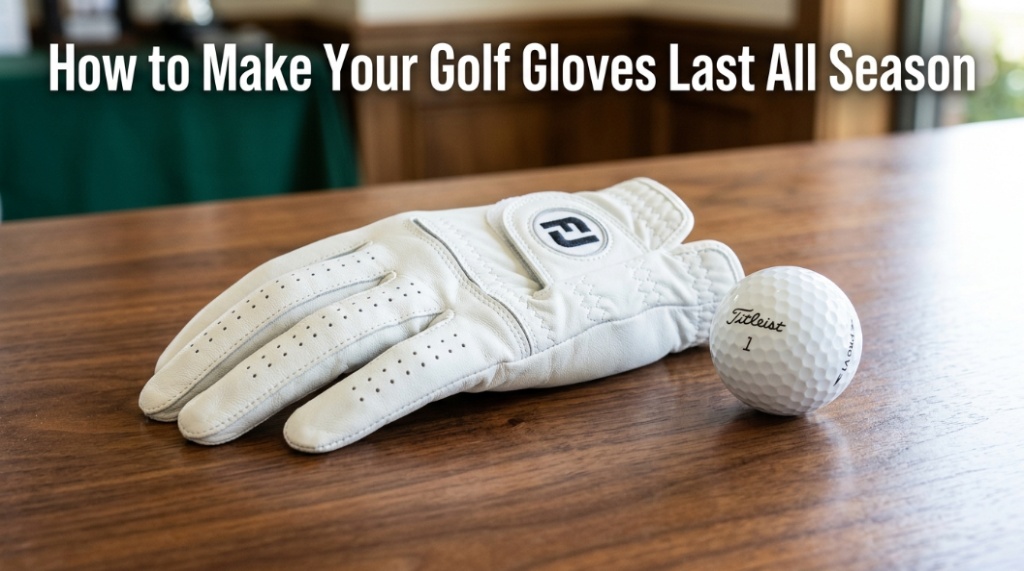
The best way to make golf gloves last longer is to keep them dry, clean, and properly stored after every round while rotating between multiple gloves to reduce wear.
Golf gloves wear out faster than most players expect. You buy a fresh glove, it feels perfect for a few rounds, then suddenly it stiffens, cracks, or loses grip. That cycle repeats all season—and it quietly drains your budget while affecting your performance.
If you’ve ever noticed your glove becoming slippery mid-round or tearing at the palm, you’re not alone. Sweat, friction, poor storage, and overuse are the main culprits. According to industry insights, an average golfer replaces gloves every 6–10 rounds due to improper care, not material failure.
So what does “making golf gloves last longer” actually mean? It means extending the lifespan of your glove by maintaining its grip, flexibility, and structure through proper care, usage habits, and storage techniques.
This guide breaks down exactly how to do that—step by step—so your gloves last the entire season without sacrificing performance.
Why do golf gloves wear out so quickly?
Golf gloves wear out quickly due to sweat buildup, friction from grip pressure, and improper drying or storage after use.
Most gloves are made from cabretta leather or synthetic blends. Leather provides superior feel but is highly sensitive to moisture and heat. When sweat soaks into the glove, it weakens the fibers. Combine that with repeated gripping pressure, and breakdown becomes inevitable.
- Moisture damage: Sweat stiffens and weakens leather
- Excess grip pressure: Creates friction tears in the palm
- Poor storage: Leads to cracking and shape loss
- Continuous use: No recovery time between rounds
Understanding these causes is the first step toward preventing them.
How often should you replace a golf glove?
You should replace a golf glove when it loses grip, develops holes, or becomes stiff and uncomfortable—typically after 8–12 rounds with proper care.
However, with the right maintenance habits, many golfers extend glove life to 15+ rounds or an entire season. The key is not just how often you play, but how well you manage wear between rounds.
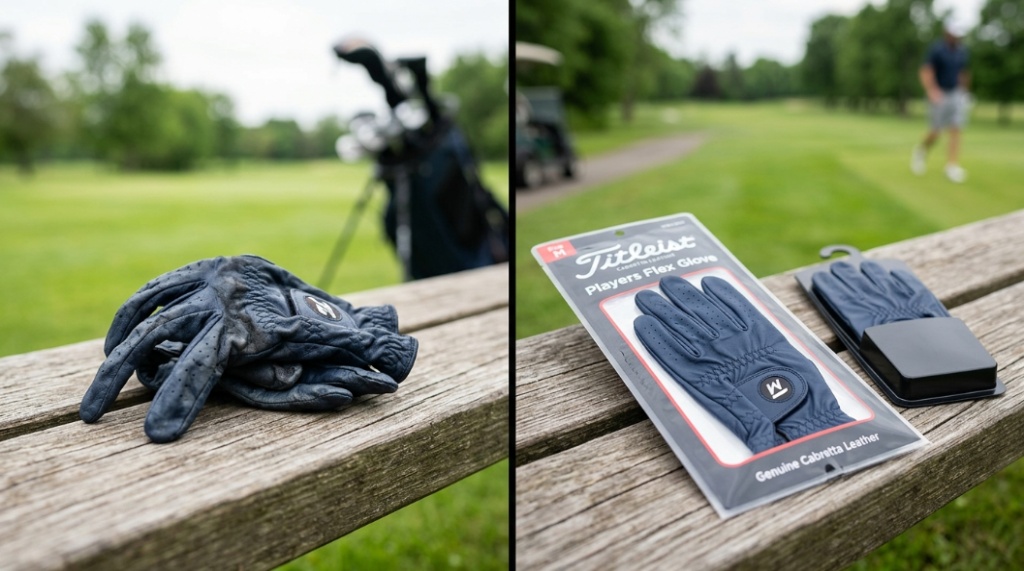
What are the best habits to make golf gloves last longer?
The best habits include removing the glove between shots, rotating gloves, air-drying after use, and avoiding excessive grip pressure.
1. Remove your glove between shots
Keeping your glove on continuously traps sweat. Take it off between shots to allow airflow and reduce moisture buildup.
2. Rotate between multiple gloves
Using 2–3 gloves per round significantly extends lifespan. While one dries, the other stays in optimal condition.
3. Avoid over-gripping the club
Many players unknowingly grip too tightly. This increases friction and wears out the palm area faster. A relaxed grip improves both performance and durability.
4. Store gloves properly after each round
Don’t stuff your glove in your bag. Lay it flat or use a glove shaper to maintain its structure.
How should you clean a golf glove properly?
You should gently clean a golf glove using a damp cloth and mild soap, avoiding soaking or machine washing.
Cleaning removes sweat salts and dirt that degrade materials over time. But improper cleaning can damage the glove faster than dirt itself.
Safe cleaning steps:
- Use a slightly damp cloth
- Add a small amount of mild soap
- Gently wipe the surface
- Air dry at room temperature
Avoid:
- Machine washing
- Hot water
- Direct sunlight drying
- Hair dryers or heaters
Can you wash golf gloves in a washing machine?
No, washing golf gloves in a machine can damage the material, especially leather, causing shrinkage and loss of flexibility.
Synthetic gloves may tolerate gentle washing, but even then, hand cleaning is safer and more effective for longevity.
What is the best way to dry a golf glove?
The best way to dry a golf glove is to air dry it naturally at room temperature while maintaining its shape.
After a round, your glove is likely damp from sweat. Drying it properly is critical.
Correct drying method:
- Lay it flat or place it on your hand briefly to reshape
- Keep it in a cool, shaded area
- Avoid folding or crumpling
Heat drying causes leather to harden and crack, which shortens lifespan significantly.
Should you use rain gloves or all-weather gloves?
Yes, using rain or all-weather gloves in humid or wet conditions can extend the life of your primary leather glove.
Different glove types serve different purposes. Using the right one protects your main glove from unnecessary wear.
| Glove Type | Best Use | Durability | Feel |
|---|---|---|---|
| Cabretta Leather | Dry conditions | Low | Excellent |
| Synthetic | Practice & humidity | High | Moderate |
| Rain Gloves | Wet weather | Very High | Good when wet |
Rotating glove types based on conditions is a smart strategy used by experienced golfers.
How does sweat affect golf gloves?
Sweat breaks down glove materials by introducing moisture and salt, which weakens fibers and reduces grip quality.
This is especially relevant in humid climates. Sweat doesn’t just make gloves uncomfortable—it actively shortens their usable life.
How to manage sweat:
- Carry a towel and dry your hands frequently
- Use antiperspirant spray on hands (lightly)
- Switch gloves mid-round
Does glove size affect durability?
Yes, wearing the correct glove size prevents excessive stretching and reduces premature wear.
A glove that is too tight will overstretch and tear. A loose glove creates friction points that wear down faster.
Proper fit checklist:
- Snug but not restrictive
- No loose fabric in the palm
- Fingers fully filled without excess space
How many golf gloves should you carry?
You should carry at least 2–3 golf gloves per round to rotate and maintain optimal condition.
This simple habit dramatically increases glove lifespan. It allows each glove to dry and recover between uses.
Professional golfers often carry multiple gloves for this exact reason.
Is it better to practice with a different glove?
Yes, using a separate glove for practice reduces wear on your primary playing glove.
Practice sessions involve more swings, more sweat, and more friction. Using a durable synthetic glove for practice keeps your premium glove in top condition for actual rounds.
Conclusion
Making your golf gloves last longer isn’t complicated—but it does require consistency. Most gloves don’t fail because of poor quality. They fail because of poor habits.
Keep them dry. Rotate between gloves. Clean them gently. Store them properly. These small actions add up quickly.
If you apply even half of the strategies in this guide, you’ll notice immediate improvements—not just in durability, but in grip performance and comfort.
Start with one change today. Carry an extra glove, dry your hands more often, or store your glove properly after your next round. Over a full season, that difference becomes significant.
FAQ: Golf Glove Longevity
How long should a golf glove last?
A golf glove should last 8–12 rounds on average, but proper care can extend it to 15–20 rounds or more.
Why does my golf glove get hard?
Your glove becomes hard due to improper drying, usually from heat exposure or sweat buildup that stiffens the material.
Can you restore an old golf glove?
You can partially restore flexibility by cleaning and air drying, but once leather cracks, it cannot be fully repaired.
Do expensive golf gloves last longer?
Not necessarily. Premium gloves offer better feel but often wear faster than synthetic options due to softer materials.
Should you store golf gloves in a bag?
No, storing gloves loosely in a bag can deform them. Instead, keep them flat or in a structured compartment.
Is it okay to reuse sweaty gloves?
Yes, but only after proper drying. Using a wet glove repeatedly accelerates wear and reduces grip.
What is the biggest mistake golfers make with gloves?
The biggest mistake is leaving gloves crumpled in a bag after a round, which leads to stiffness and early damage.
Learn More How to Choose Artificial Shrimp Lures for Saltwater Fishing Success