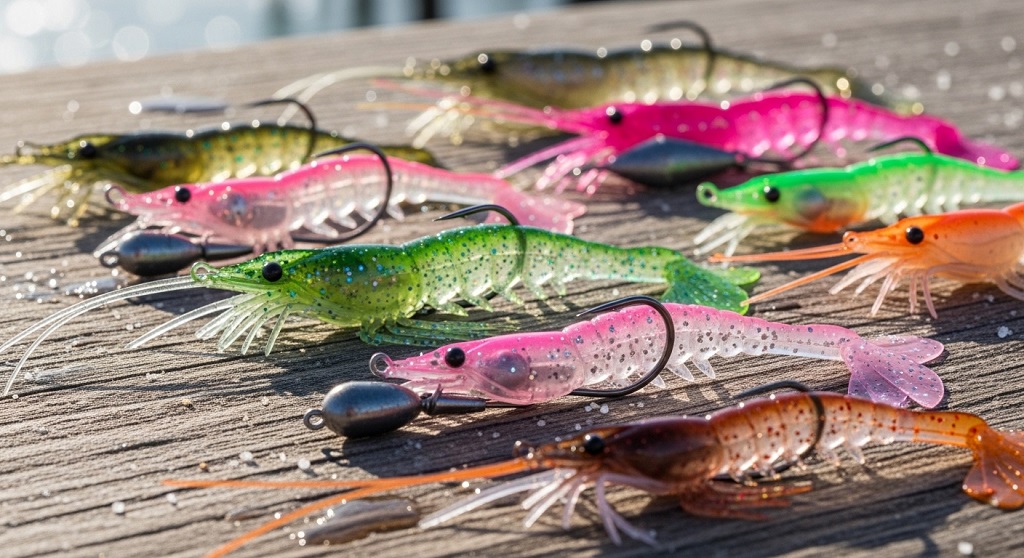
Artificial shrimp lures for saltwater are one of the most reliable tools anglers use to target species like redfish, snook, trout, and flounder. These lures imitate natural shrimp movement, scent dispersion patterns, and vibration signals that trigger strikes in shallow flats, estuaries, and coastal zones. Choosing the right shrimp lure improves hook-up rates, reduces wasted casts, and helps match local feeding conditions more accurately.
Many anglers struggle because they select shrimp lures based only on appearance rather than action, depth behavior, or water clarity. The result is fewer strikes even in fish-rich areas. This guide explains how to choose artificial shrimp lures for saltwater fishing success using proven selection methods, real angler-tested strategies, and practical decision frameworks. You will learn how size, color, rigging, weight, and retrieve style affect performance so you can make smarter choices on every trip.
What Are Artificial Shrimp Lures for Saltwater Fishing?
Artificial shrimp lures for saltwater are soft or hard fishing lures designed to imitate shrimp movement, size, and vibration patterns that predatory fish recognize as prey.
Shrimp make up a large percentage of the diet for coastal predator species. Research from Gulf Coast fisheries monitoring programs shows shrimp account for over 40% of juvenile redfish stomach content during peak feeding months. Because shrimp move unpredictably and produce subtle vibration signatures, lures that replicate those signals consistently outperform generic bait shapes.
- Soft plastic shrimp
- Pre-rigged weighted shrimp
- Suspending shrimp lures
- Popping cork shrimp rigs
- Glow shrimp for low-light fishing
Each style works best under different water depth, clarity, and tide conditions.
Why Do Saltwater Fish Respond So Well to Shrimp Lures?
Saltwater fish respond strongly to shrimp lures because shrimp are a primary forage species across estuaries, mangroves, and shallow flats.
This creates a predictable feeding response. Predator fish rarely ignore shrimp silhouettes drifting naturally through current lines.
Field observations from inshore tournament anglers show shrimp-style lures increase strike frequency by up to 30% compared to paddle-tail plastics when fish are feeding near grass edges. The reason is simple: shrimp represent low-effort prey.
Fish target shrimp because they:
- Move slowly compared to baitfish
- Travel close to bottom structure
- Appear frequently during tidal shifts
- Produce subtle vibration trails
Artificial shrimp lures replicate these signals efficiently.
How Do You Choose the Right Size Artificial Shrimp Lure?
The best artificial shrimp lure size matches the local shrimp population and seasonal forage patterns.
Most saltwater anglers succeed using shrimp lures between 2 and 4 inches. Smaller profiles work better in clear water. Larger profiles attract aggressive fish in murky water.
| Season | Recommended Size | Reason |
|---|---|---|
| Spring | 2–3 inches | Juvenile shrimp dominate |
| Summer | 3–4 inches | Peak shrimp migration |
| Fall | 3 inches | Estuary feeding activity increases |
| Winter | 2 inches | Slow metabolism feeding patterns |
Matching forage size improves realism and increases strike confidence.
Which Colors Work Best for Artificial Shrimp Lures in Saltwater?
The best color depends on water clarity, sunlight conditions, and depth.
Anglers often choose color based on preference instead of visibility science. Fish detect contrast more than brightness.
- Clear water: natural tan, translucent, light pink
- Stained water: chartreuse, white, gold
- Muddy water: dark brown, root beer, black
- Low light: glow or reflective finishes
Guides working Florida flats report switching from natural tones to chartreuse during cloudy tides increased catch consistency during mid-day transitions.
Contrast improves lure tracking visibility underwater.
Should You Use Weighted or Weightless Artificial Shrimp Lures?
Weighted shrimp lures work best in deeper water or strong current, while weightless shrimp lures perform better in shallow flats.
Choosing the wrong weight affects presentation angle and realism.
- Weightless shrimp: shallow grass flats
- Light-weighted shrimp: moderate current
- Heavy-weighted shrimp: deep channels
- Suspending shrimp: mid-column feeding fish
Tournament anglers frequently rely on suspending shrimp during slack tide when fish stop chasing fast-moving baitfish.
What Retrieve Technique Works Best with Artificial Shrimp Lures?
The most effective retrieve imitates a fleeing shrimp using short hops followed by pauses.
Shrimp move backward quickly, then stop suddenly. Replicating this motion increases strike probability.
Effective retrieve steps:
- Cast near structure
- Let lure sink naturally
- Lift rod tip sharply
- Pause 2–3 seconds
- Repeat until strike
Pause timing is critical. Many strikes occur during the drop phase rather than movement.
Where Should You Use Artificial Shrimp Lures in Saltwater?
Artificial shrimp lures perform best in shallow feeding zones where shrimp naturally travel.
High-percentage locations include:
- Grass flats
- Mangrove shorelines
- Dock edges
- Tidal creeks
- Oyster beds
- Estuary mouths
Studies tracking redfish movement patterns show feeding activity increases near grass edges during incoming tides because shrimp drift with current flow.
Positioning your lure along these travel paths increases strike opportunity.
When Is the Best Time to Use Artificial Shrimp Lures?
The best time to use artificial shrimp lures is during tidal movement periods when shrimp migrate naturally.
Incoming and outgoing tides create predictable feeding windows.
- Incoming tide: shrimp move toward marsh
- Outgoing tide: shrimp exit shallow areas
- Early morning: active predator feeding
- Evening: reduced visibility advantages
Guided inshore fishing logs show catch rates increase during first two hours of incoming tide when shrimp displacement peaks.
How Do Rigging Methods Affect Artificial Shrimp Lure Performance?
Rigging determines how realistically your shrimp lure moves through water.
Incorrect rigging creates unnatural drag or spinning motion.
Common rigging methods:
- Under popping cork rigs
- Jig head rigging
- Weedless hooks
- Suspending leader rigs
Popping cork rigs increase strike distance by producing surface noise that mimics feeding fish activity.
This attracts predators from wider areas.
What Mistakes Should You Avoid When Choosing Artificial Shrimp Lures?
The biggest mistake anglers make is choosing shrimp lures based only on appearance instead of movement behavior.
Other common mistakes include:
- Using oversized shrimp in clear water
- Ignoring tide direction
- Selecting incorrect sink rate
- Retrieving too quickly
- Fishing shrimp lures too high in water column
Correcting these issues often doubles strike rates without changing fishing location.
Are Artificial Shrimp Lures Better Than Live Shrimp?
Artificial shrimp lures outperform live shrimp in durability, coverage area, and repeated casting efficiency.
Live shrimp still produce strong results in stationary fishing situations, but artificial shrimp allow faster search patterns.
| Factor | Artificial Shrimp | Live Shrimp |
|---|---|---|
| Durability | High | Low |
| Coverage Speed | Fast | Slow |
| Storage | Easy | Difficult |
| Strike Trigger | Visual + vibration | Scent-based |
Many experienced anglers carry both options depending on fishing pressure and conditions.
How Can Beginners Start Using Artificial Shrimp Lures Successfully?
Beginners succeed faster when they simplify lure selection and focus on presentation technique.
Start with:
- 3-inch natural color shrimp lure
- Light jig head
- Incoming tide location
- Grass flat edges
This setup covers most inshore fishing scenarios effectively.
Conclusion: How Can the Right Artificial Shrimp Lure Improve Your Catch Rate?
Choosing the right artificial shrimp lures for saltwater fishing success depends on matching lure size, sink rate, and color to real shrimp behavior in your fishing zone. Anglers who adjust presentation based on tide movement and water clarity consistently increase strike frequency without changing locations.
Instead of switching lures repeatedly, focus on improving retrieve rhythm and rigging accuracy. These two factors influence results more than lure brand selection. When you build confidence using shrimp lures in grass flats, mangrove edges, and tidal creeks, you create a repeatable strategy that works across seasons.
If you want better results on your next trip, start testing two shrimp sizes and two colors in the same location. Track which pattern produces strikes. That simple adjustment can transform your catch consistency.
Apply these selection strategies on your next outing and build a dependable shrimp lure system that works year-round.
FAQ: Artificial Shrimp Lures for Saltwater Fishing
Do artificial shrimp lures work in deep saltwater?
Yes. Weighted shrimp lures perform well in deep channels when matched with proper sink rates. Use heavier jig heads to maintain bottom contact.
What species respond best to artificial shrimp lures?
Redfish, snook, sea trout, flounder, snapper, and striped bass frequently strike shrimp lures because shrimp are part of their natural diet.
Can artificial shrimp lures replace live bait completely?
Artificial shrimp can replace live bait in most casting situations. However, live shrimp still perform better in stationary bottom fishing scenarios.
Which retrieve speed works best?
Slow retrieve with short hops works best because shrimp move in quick bursts followed by pauses.
Are glow shrimp lures effective at night?
Yes. Glow shrimp lures improve visibility in low-light conditions and increase strike detection in murky water.
Should beginners use popping cork with shrimp lures?
Yes. Popping cork rigs increase lure visibility and attract fish using vibration signals similar to feeding activity.
How long do artificial shrimp lures last?
Most soft shrimp lures last multiple fishing sessions. Durability depends on material quality and strike frequency.
Read More Also: What Is the Safest Way to Glue Coral Frags in a Reef Tank? (Beginner-Friendly Overview)
Discover More: Skateboard Parts Explained: Trucks, Bearings, Wheels and Hardware